


Knowledge
-

Stijn Blom, Lawyer of the Week: On the Amount of the Awarded Equitable Compensation
Stijn Blom has been named “Mr. of the Week” by the Mr. platform following an AI-driven analysis of 4,252 court rulings on fair compensation. Below is the interview: Why did you start this exercise? “In practice, the amount of fair compensation is often considered difficult to predict. Judges assess that compensation based on various factors,…
-

Fair Compensation: What Factors Determine the Amount? Part 2.
Last updated: August 2026 Part 1 revealed, among other things, that the median fair compensation is €15,000 and that the basis makes a big difference. But what factors determine whether fair compensation is high or low? KEY FACTORS 5 to 6 in most cases MOST FREQUENTLY MENTIONED 70% culpability under the WG AWARDED/CLAIMED ~25% median…
-

Fair Compensation: 4,252 rulings analyzed. Part 1: The Amount.
Last updated: August 2026 I used AI to analyze 4,252 court rulings on fair compensation. The results surprised me: the average is €42,243, but the median is only €15,000. The common perception is too optimistic. AVERAGE €42,243 all awards MEDIAN €15,000 more realistic picture PRONUNCIATIONS 4.252 July 2015 – March 2026 AWARDS 1.043 with an…
-

How long does a dissolution proceeding take?
Last updated: August 2026 An analysis of more than 2,600 divorce decrees shows that the average processing time in small claims court has increased by 57% since 2016. On appeal, the average processing time rises to more than 7 months. FIRST DRAFT 84 d On average, about 12 weeks APPEAL 219 d On average, just…
-

Changes to Labor Law Effective January 1, 2026
As of January 1, 2026, there will be a number of changes to labor law—ranging from an increase in the minimum wage and the maximum transition allowance to stricter enforcement regarding bogus self-employment. In this article, we outline the most important changes, including a preview of the proposed labor law amendments expected in 2026 and…
-

Workplace Accidents: What to Do and How to Avoid Mistakes
Workplace Accident: What Steps Should You Take Now? After a workplace accident, things often happen quickly. There’s stress on the job, coworkers rush to help, and before long, a discussion arises about “how it could have happened.” It is precisely during this initial phase that mistakes are made that can have major consequences later on—for…
-

Workplace Accident: Employer Liability and Filing a Claim for Compensation
Accident at Work—What Should You Do? An accident at work can set you back in an instant—physically, financially, and mentally. A study by Statistics Netherlands (CBS) shows that in 2020, there were tens of thousands of workplace accidents resulting in at least four days of absence. This makes it clear that you’re not alone, but…
-

Under what circumstances may an employer reassign an employee to a lower-level position?
Unilateral Change in Job Duties: What Can an Employer Do? In a ruling dated April 6, 2023, the Oost-Brabant Subdistrict Court ruled on an issue that frequently arises in labor relations: under what circumstances may an employer reassign an employee to a lower-level position without the employee’s consent? In this case, an employer decided to…
-

Non-compete clauses under pressure: employees’ interests take precedence
A Non-Compete Clause Was Agreed Upon, but Is It Still Invalid? In employment law, the non-compete clause is considered a powerful tool for employers to protect their business interests. However, a legally valid clause does not automatically mean that it will hold up in court. This is evident from a recent ruling by the Arnhem-Leeuwarden…
-

Mental Health Issues Caused by Work Pressure: Where Does the Employer’s Duty of Care End?
No Liability for Burnout Without Proven Harmful Working Conditions On December 19, 2023, the Amsterdam Court of Appeal issued a ruling in a case in which an employee held her former employer liable for damages resulting from burnout and depression caused by a breach of the duty of care. The employee stated that she had…
-

Refusing an employer’s instructions: Is that acceptable for a good employee?
Job Change Following a Takeover: Can You, as an Employee, Refuse Instructions? What was going on in this case? This ruling centered on the question of whether an employee is obligated to accept a new position after his employer was acquired and his former position was eliminated. The employee in question worked for Mammoet Transport…
-

Labor Disputes in the Workplace: What Can You Do as an Employer, and How Do You Resolve Them?
What to Do in the Event of a Labor Dispute? Practical Tips for Employers and HR A workplace conflict is one of the most difficult challenges for an employer or HR professional. What starts as minor irritations between coworkers or tension between a manager and an employee can escalate into a strained working relationship. But…
-

Accident on a company outing: Is your boss liable for the damages?
Injury on a company outing: Are you covered or not? A company outing often sounds like a nice perk: having drinks with coworkers, doing something together, and taking a break from the work environment. But what if you get injured during such an outing? Is your employer liable? An important 2009 ruling by the Supreme…
-

Can your employer fire you for using cocaine in your personal life?
Immediate termination for cocaine use during your free time: Is that allowed? Imagine this: you use cocaine over the weekend, then test positive at work, and subsequently refuse to participate in a rehabilitation program. Can your employer then terminate you immediately? In a notable 2007 ruling, the Supreme Court ruled on this issue in the…
-

Employer Refuses to Negotiate a Collective Bargaining Agreement with the Union: Is That Allowed?
Negotiating Only with the Works Council During Collective Bargaining Talks? Why That Isn’t Enough, According to the Supreme Court In April 2024, the Supreme Court once again handed down an important ruling on the role of labor unions in reaching collective agreements. The case involved the airline TUI and the FNV union. The central question…
-

Arriving 10 Minutes Early: Entitled to Pay or Not?
Does your employer have to pay you if you’re required to be present before your shift starts? In September 2024, the Supreme Court handed down an interesting ruling on a seemingly minor issue that is all too familiar to many employees: the requirement to be present at work before the start of a shift. The…
-

An employee doesn’t show up for an appointment with the company doctor: what should you do?
No-show at the company doctor’s appointment: What can you do as an employer? An employee calls in sick and is invited by the occupational health and safety service to a consultation with the company doctor. But on the day of the appointment, there’s no word: no cancellation, no message, and the employee doesn’t show up.…
-

Duty to Disclose Information? Learn how you, as an employer, can prevent damages and lawsuits.
Employers’ Duty to Provide Information: How It Prevents Repeated Lawsuits Employers are subject to increasingly stringent obligations to provide information to employees. Whether it concerns the expiration of vacation days, compliance with safety instructions, or enforcing a zero-tolerance policy: anyone who is negligent in this regard faces significant legal risks. In this blog, we explain…
-

Partial Layoff Due to Illness: When Are You Entitled to Compensation?
Partial Layoff Due to Illness: When Are You Entitled to Compensation? Since 2020, employers have been able to receive compensation from the UWV, under certain conditions, for transition payments made to employees on long-term sick leave. But what if the employment relationship is continued in a modified form or partially terminated before the end of…
-

Termination Due to a Mismatch with a New Employee: What Is Permitted?
New employee not a good fit? Here are your options as an employer You’ve just hired a new employee, but it soon becomes clear that things aren’t clicking. Collaboration is strained, friction arises, and you start to get the feeling that there’s a mismatch. In practice, this happens more often than you might think. As…
-

Gap Year and Unpaid Leave: What Do You Need to Know as an Employer?
It’s a common phenomenon among young people: taking a gap year to travel, explore, or take a break from school or work. But what if it’s not your child, but an employee who comes to you asking to take a year off? As an employer, you’re not obligated to grant this request outright, but in…
-

Self-Employed or Employee? New Court Ruling Provides Clarity
The debate over the legal status of self-employed individuals without employees (zzp’ers) is more relevant than ever. Starting January 1, 2025, the Tax and Customs Administration will once again actively enforce regulations against bogus self-employment. In the meantime, employers and clients must rely on existing legislation and case law. And that case law now offers…
-

Tracking Vacation Days: Who Is Responsible?
Tracking Vacation Days: The Responsibility Lies with the Employer Vacation is wonderful, but for employers, keeping track of vacation days can be quite a headache. Who keeps track of which days are taken? What if a dispute arises at the end of the employment relationship? And how can you, as an employer, avoid having to…
-

Notice Requirement? Avoid the notice pay—here’s what you, as an employer, mustn’t forget
The notice requirement sounds simple: as an employer, you must let the employee know no later than one month before the end of a temporary contract whether or not you will renew the contract. Yet in practice, things often go wrong. Employers forget to give notice, do so too late or verbally, or assume that…
-

Doubts About an Employee’s Sick Leave Claim? Court Rules: Only the Company Physician May Make That Determination
What should you do if an employee calls in sick and you suspect the claim is false? In a recent case, the labor court ruled that, when in doubt, an employer may not conclude on its own that an employee is not sick—not even with the help of a doctor who is a friend. Only…
-

Aligning Employment Terms After a Merger or Acquisition: Legal Pitfalls
In the event of a merger or acquisition, employees with differing terms and conditions of employment end up working under one roof. This often leads to imbalances and frustration in the workplace. It is therefore understandable that employers want to harmonize terms and conditions of employment. However, this is by no means always legally permitted.…
-

Suspension of Pay and Pay Freeze During Sick Leave? Court Rejects Employer’s Argument
Employees on sick leave are required to cooperate with their return-to-work program. If they fail to do so, an employer may suspend or even terminate their pay. However, such measures should not be taken lightly. The subdistrict court judge of the Midden-Nederland District Court reiterated this in a case in which both a suspension and…
-

Termination After 2 Years of Sick Leave: As an Employer, You Really Need to Have This Properly Sorted Out
Termination After 2 Years of Sick Leave: As an Employer, You Really Need to Have This Properly Sorted Out After two years of incapacity for work, the obligation to continue paying wages expires. Many employers believe that this also automatically terminates the employment contract. This is a persistent misconception. In reality, from a legal standpoint,…
-

Frequently Asked Questions About Vacation and Sick Leave: What You Need to Know as an Employer
Sick but still on vacation? It sounds contradictory, but it happens quite often. Employees who are on long-term sick leave sometimes just want to take a breather. Or they call in sick from their vacation destination. As an employer, this often raises questions. What’s allowed, and what isn’t? Below, we provide clear answers to the…
-

Racist Remarks and Immediate Dismissal: What’s Allowed and What Isn’t?
An employee was terminated immediately after she was accused of making racist remarks in the workplace. The employer had a zero-tolerance policy and deemed the remarks unacceptable. Nevertheless, the small claims court ruled that the summary dismissal was unjustified. How is that possible? The reason: racist remarks The employee had been with the company since…
-

Employee Underperformance: Where Is the Line Between Underperformance and Blameworthy Conduct on the Part of the Employer?
Employer Misconduct or Negligence? Here’s What the Courts Say A manager facing complaints from the team, an employer who subsequently imposes an improvement plan, and an employee who takes full sick leave: it sounds like a classic labor dispute. But how far can an employer go based on reports from coworkers? And what if the…
-

Cosmetic surgery: sick leave or out-of-pocket expense?
Cosmetic Surgery: Entitled to Sick Leave or Subject to the Deductible? An employee wants to undergo gastric bypass surgery and calls in sick. The employer wonders: Does this count as legitimate sick leave, or should the employee use vacation days or take unpaid leave for this? These types of questions come up regularly for HR…
-

Continuing to Work After Retirement: Here Are the Rules and Risks
Continuing to Work After Retirement: What’s Allowed, and What Should You Keep in Mind? More and more often, employees continue to work even after reaching retirement age. Sometimes this is because the employer wants to continue benefiting from their knowledge and experience, and sometimes it’s at the employee’s own request. But is that allowed? And…
-
The difference matters: “as of” or “on” a date in your contract
Many employment contracts or termination letters state that the contract ends “as of” a certain date. Sometimes the terms “on” or “effective” are also used. Many people think these terms all mean the same thing, but legally, there is an important linguistic difference between them. And that can have major consequences for, for example, the…
-

Project Agreement: A Smart Choice or a Legal Minefield?
Employers like to use them: employment contracts that automatically end once a project is completed. Practical, you might think. Yet many legal professionals and employment lawyers are less enthusiastic about them. The reason? In practice, project-based contracts turn out to be more legally complex than they appear on paper. What is a project agreement? A…
-

Backdating Employment Contracts: A Criminal Offense with Serious Consequences
It happens more often than you might think: signing a contract and simply entering an earlier date on it—because it’s more practical, fits better with a deadline, or confirms agreements made afterward. At first glance, this doesn’t seem like a problem—especially if both parties agree to it. Yet backdating is anything but harmless. Legally speaking,…
-
Suspending or Terminating Pay: Here’s the Difference
If an employee fails to comply with the rules regarding sick leave or return-to-work, you, as an employer, may take action. But be careful: there is a big difference between suspending and terminating pay. Making the wrong choice could end up costing you dearly as an employer. What does it mean to withhold wages? Suspending…
-
Stijn Blom in NRC on working from home: What can an employer require?
More and more employees want to work from home part-time or full-time, but what if your employer suddenly changes its mind? On April 21, 2025, the NRC published an article by journalist Tan Tunali in which employment law attorney Stijn Blom of Arbeidsadvocaat.nl explains the legal aspects of work-from-home arrangements. This is a familiar dilemma…
-
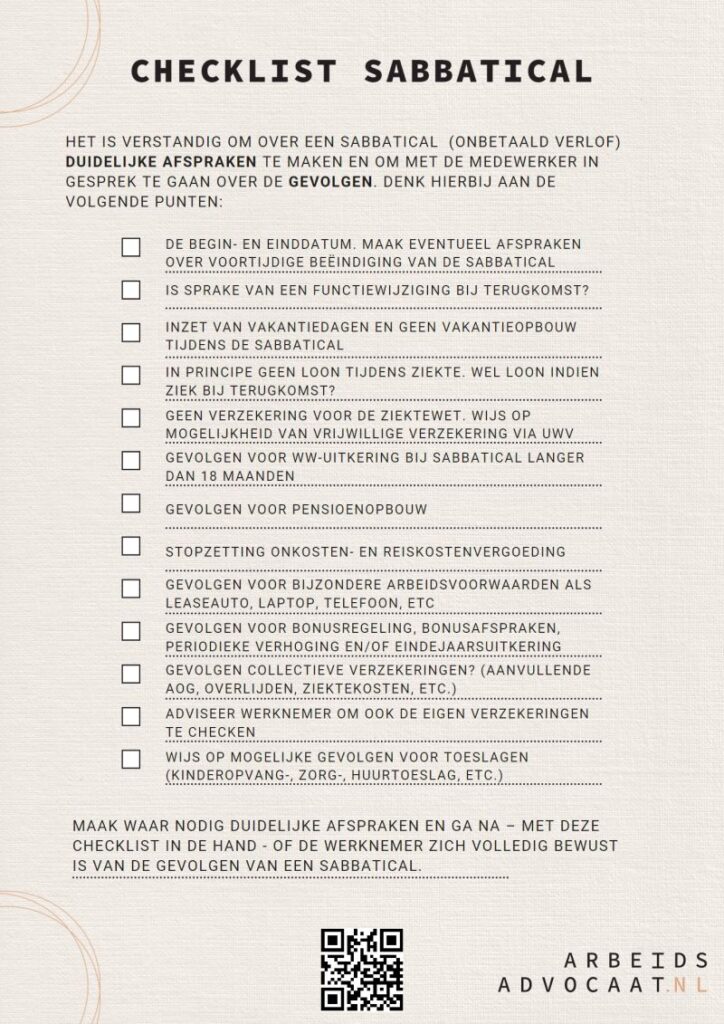
As an employer, what do you need to arrange when an employee requests a sabbatical?
Introduction A sabbatical sounds appealing: taking an extended period of time off for rest, travel, personal development, or study. For employees, it’s often a dream; for employers, it can raise questions. Are you required to grant it? What are the implications for pay, employment conditions, and insurance? And most importantly: how do you ensure there…
-

How much does a lawyer cost?
Introduction Did you know that hiring a lawyer doesn’t have to be expensive at all? Many people think that legal help is unaffordable, but that’s not always the case. Whether you’re dealing with a workplace dispute, a termination, or simply need legal advice: in many cases, there are arrangements that mean you don’t have to…
-
Can an intern be held liable for damage to a company car?
Introduction A common question from interns is: “What if I cause damage while driving the company van? Do I have to pay for it myself?” The answer is reassuring: in most cases, no. Although an intern is not legally considered an employee, courts almost always treat interns the same way as employees in this regard.…
-

Are you required to be available to your employer outside of working hours?
Do you still have to respond to text messages, phone calls, or emails from your boss outside of work hours? For many employees, the answer to that question is yes. Recent research shows that one in five young employees is required by their employer to be available at all times, even outside of agreed-upon work…
-

How do you become a lawyer in the Netherlands?
Introduction Do you dream of becoming a lawyer? You’re not alone. The legal profession captures the imagination: you assist clients in legal disputes, you can argue cases in court, and you translate complex legislation into practical solutions. But how do you become a lawyer in the Netherlands? In this blog, we’ll explain what education you…
-
Working fewer hours: Can your employer just refuse to allow it?
Many employees consider working fewer hours at some point in their careers—for example, due to caregiving responsibilities, to pursue their studies, or simply to achieve a better work-life balance. But what if your employer isn’t on board with that? Can your employer just refuse your request? In this blog, we explain your rights under the…
-

Can you have your salary paid out in Bitcoin?
Introduction More and more people are experimenting with crypto, even outside their investment accounts. But what if you want to receive your salary in Bitcoin? Is that legally possible? And what happens if the value suddenly crashes? In this blog, you’ll learn about salary payments in cryptocurrency, what the law says about it, and what…
-

Termination Following Drug Smuggling Through the Port: Is the Lack of a Transition Payment Justified?
Introduction What if an employee uses their access to company information for criminal purposes? In a recent case, the employment contract of an employee at a Rotterdam port company was terminated due to serious involvement in drug smuggling. The facts were clear: using his work account, he arranged container shipments that allowed criminals to bring…
-

Immediate dismissal over a minor issue: Is that allowed?
Introduction Immediate termination is the most drastic measure an employer can take. It means that the employment relationship ends immediately, without a notice period or transition payment. In practice, this measure is typically applied in cases of serious misconduct, such as fraud, violence, or grand theft. But can an employer also proceed with immediate termination…
-

Immediate dismissal for minor offenses: Is that really allowed?
Introduction Immediate termination is often considered the most severe penalty under labor law. It means that the employment contract is terminated immediately, without a notice period or severance pay. Many people believe that this applies only to cases of serious theft, fraud, or violence. However, case law shows that even minor infractions—petty offenses—can lead to…
-

Am I Entitled to a Bonus After an Affair with a Coworker’s Partner?
Introduction An inappropriate relationship, sexual text messages during work hours, and termination without severance pay—it sounds like an exceptional case. Nevertheless, the subdistrict court recently ruled that a director was indeed entitled to his bonus despite serious culpable conduct. How does the court reconcile this with the dysfunction in the workplace? In this blog, we…
-

Can a civil servant be transferred after committing a serious error?
Introduction Everyone makes mistakes at work, but sometimes serious mistakes can have far-reaching consequences. This is certainly true for public officials in the judicial system, where a moment of carelessness can have a major impact on society. A recent ruling by the North Holland District Court involved two civil servants who released the wrong detainee…
-
Freedom of speech at work: How far does it extend?
Introduction Freedom of speech is a fundamental right, but how far does that right extend within an employment relationship? Is an employee allowed to publicly criticize his or her employer? And can an employer intervene if such criticism leads to internal tensions? In a recent case that even reached the Supreme Court, that very question…
-

Inappropriate behavior: grounds for termination?
Introduction An employee may perform exceptionally well in their professional duties, but their employment contract can still be terminated if workplace relationships have been seriously disrupted by inappropriate behavior. This is evident from a recent ruling by the Amsterdam District Court, in which an academic medical specialist and professor lost his job due to his…
-

Fired for asking critical questions? Here’s how the court ruled in this case.
Introduction Can an employer fire an employee because she asks critical questions about the organization’s policies? And what if the employer bases the termination on grounds that turn out to be unfounded? A recent ruling by the Court of Appeal in ’s-Hertogenbosch centered on precisely this issue. In the end, the employee was not only…
-

Is a bonus a temporary perk or a standard employment benefit?
Introduction A performance bonus, an extra day off, or temporary use of a leased car: these are all examples of “perks” that an employer can grant an employee. But what if such a perk is repeated year after year? Does it then become part of your terms of employment? And can your employer simply discontinue…
-

What can you do as an employer to address debt issues?
Introduction Financial stress is a reality for a large portion of the Dutch workforce. As many as 62% of employees in the Netherlands are dealing with debt issues to some extent. What can you expect from your employer in such a situation? Although an employer is not a debt counselor, they do have a responsibility…
-

Can you be fired as a manager for having an affair at work?
Introduction Inappropriate behavior in the workplace takes many forms, but when a supervisor uses his position of power to force a (renewed) personal relationship, it directly violates ethical standards and labor law. A recent case centered on precisely such a situation: a warehouse manager attempted to rekindle a past affair, abused his position, and ultimately…
-

Long COVID: Can You Be Replaced Just Like That? This Judge Says No.
Introduction Can an employer simply hire someone else to fill your position while you’re on sick leave? And what if, after years of good performance, you’re sidelined by long COVID and suddenly find yourself working in the cafeteria? In a recent ruling by the District Court of The Hague, a production manager on long-term sick…
-

Do you keep your vacation days if you’re sick?
Introduction Vacation days are intended for rest and recovery, but what happens if an employee is on long-term sick leave? Do those days automatically expire, or are they carried over? And can an employer simply reclassify sick days as vacation days? A recent ruling by the North Holland District Court examined this issue. The case…
-

Protecting Trade Secrets: What Can You Do as an Employer?
Introduction The announced legislative changes regarding non-compete clauses, non-solicitation clauses, and non-poaching clauses have raised concerns among many employers regarding the protection of their trade secrets. These protective measures are being curtailed to increase employee mobility. However, this does not mean that employers are left empty-handed. On the contrary: the confidentiality clause remains largely unaffected.…
-

Can a director be fired if she does not support the safety policy?
Introduction How far does a director’s responsibility extend when it comes to complying with and promoting safety policies? And what if that same director does not agree with those policies? A recent ruling by the Court of Appeal in The Hague makes it clear that this responsibility carries significant weight, especially in an executive-level position.…
-

What if your partner works for a competitor?
Introduction Suppose you have a partner who works for a competitor of your employer—what should you do? Although personal relationships are, in principle, private matters, they can also have implications under employment law in certain situations. Employers may take action, especially when there is access to confidential company information. This blog explains in which cases…
-

Is falsifying time records grounds for immediate termination?
Introduction At first glance, time tracking may seem like an administrative formality, but it plays a crucial role in the relationship of trust between employee and employer. Integrity is essential in this regard, especially for employees in managerial positions. In a recent ruling by the Court of Appeal in ’s-Hertogenbosch, a manager in the greenhouse…
-

Are you eligible for a court-appointed attorney?
Introduction Not everyone can afford a lawyer, especially when it comes to a long-term legal dispute. Fortunately, the Netherlands has a system for subsidized legal aid: the “toevoeging.” If you meet certain income and asset requirements, you are entitled to a court-appointed attorney. In this blog, you’ll learn when you qualify, how much you’ll have…
-

When is a non-compete clause in an employment contract valid?
Introduction Non-compete clauses are a common provision in employment contracts. Employers use them to prevent employees from moving to a competitor or starting their own competing business after leaving the company. However, such a provision is not always legally enforceable. This blog explains when a non-compete clause is legally valid, what requirements the law imposes,…
-

What is the role of a confidential advisor in the workplace?
Introduction A safe work environment is essential for employee well-being and productivity. Yet, inappropriate behavior in the workplace is more common than many organizations realize. The confidential advisor plays an important role in identifying and addressing such situations at an early stage. Due to recent changes in the law, appointing a confidential advisor is becoming…
-

Immediate Termination Following Sexual Harassment at Work?
Introduction Sexual remarks in the workplace are increasingly being taken seriously. Unwanted behavior can lead to a disrupted work environment, anxiety among colleagues, and legal consequences for the perpetrator. A recent ruling involving a shelf stocker at the Dirk supermarket chain shows that employers are permitted to take strict action in cases of sexual harassment.…
-

Calling in sick after a party: What can you do as an employer?
Introduction An employee calls in sick on Monday morning, and stories from the workplace suggest that he was at a party or festival the night before. For many employers, this is a familiar—but also frustrating—situation. As an employer, are you allowed to take action in this situation? When does it constitute abuse, and what steps…
-

Can a romantic relationship at work lead to termination?
Introduction Romantic relationships at work are not uncommon. Coworkers spend a lot of time together, so it’s not surprising when personal or romantic bonds develop. However, a workplace relationship can lead to difficult situations, especially when teamwork or workplace dynamics come under strain. This blog explains when a workplace relationship is permissible and when it…
-
Minimum Wage: What Does the New Rule Mean for You?
Introduction As of January 1, 2024, the statutory minimum hourly wage wasintroduced in the Netherlands. This brought an end to the system in which the minimum wage was calculated on a monthly basis, depending on the length of the workweek. This shift to the minimum hourly wage ensures greater equality among employees with different contract…
-

Is cell phone use allowed during work hours?
Introduction In a world where cell phones are an integral part of daily life, the question often arises: Is it okay to use your phone during work hours? Although brief personal phone use is tolerated in many cases, habitual or excessive use can lead to serious consequences. This blog explains what is and isn’t legally…
-

Impending Layoff: What Are the 3 Warning Signs?
Introduction Termination rarely comes as a complete surprise. There are often signs indicating that the employer may want to terminate the employment relationship. These signs can be subtle, but sometimes they are downright obvious. It’s important for employees to recognize such signs of impending termination in a timely manner so they can strengthen their position…
-

Fired After Posting a Vacation Video on TikTok: Justified or Not?
Introduction Social media posts while on sick leave can lead to awkward situations and, in some cases, even to workplace conflicts. But how far can an employer go if a sick employee is active on platforms such as TikTok? In a recent case, a healthcare worker was summarily dismissed because of a vacation video she…
-

Immediate Dismissal for Misuse of Expense Reimbursement?
Introduction In special circumstances, employers may decide to provide financial assistance to employees, such as reimbursement of expenses related to specific personal circumstances. But what if such an allowance is not spent for its intended purpose? In a recent ruling, an employee was summarily dismissed because he systematically misused the allowance to pay for a…
-

Dismissal due to a foul odor: Is that allowed?
Introduction At first glance, dismissal due to a body odor nuisance may seem like an exceptional situation, but in practice, issues like this can lead to serious legal proceedings. Especially when the odor is related to a medical condition, the question arises: how far does employee protection extend? A recent case involving a receptionist offers…
-

Are tuition fees reimbursed if you resign voluntarily?
Introduction Employers regularly invest in the development of their staff, for example by reimbursing the costs of education, courses, or training. But what happens to those educational expenses if an employee resigns of their own accord? Can the employer then recover these costs? The law sets out clear rules on this matter, and not every…
-

Personal circumstances: a reason to avoid immediate termination?
Introduction Immediate termination has far-reaching consequences for an employee: the employment relationship ends immediately, wage payments cease, and the right to unemployment benefits usually lapses. The law therefore sets high standards for justifying such a termination. Not only must there be an urgent reason, but the employee’s personal circumstances may also be taken into account.…
-

Fired for a post about Israel and Hamas?
Introduction Social media has become an integral part of daily life, including the workplace. But what if an employee expresses opinions online about sensitive political issues? Where is the line between freedom of speech and the employer’s interests? A recent ruling by the Rotterdam subdistrict court clarifies whether dismissal is permissible. This blog discusses the…
-

Frequent Absences Due to Illness: Can an Employee Be Terminated?
Introduction Absenteeism due to illness is a difficult reality for many employers. Especially when an employee frequently calls in sick, this can put a strain on business operations. However, the law allows for dismissal on these grounds only in exceptional cases. This blog explains why the legal bar for dismissal due to frequent absenteeism due…
-

Player Contract or Employment Contract?
Introduction In the world of sports, player contracts are common, especially among (semi-)professional athletes. Yet many sports clubs do not fully realize that such a contract may qualify as an employment contract in a legal sense. This distinction is of great significance: an employment contract entails rights and obligations under labor law, such as continued…
-

How does a relationship clause work, and when is it valid?
Introduction Many employees are familiar with non-compete clauses, but relationship clauses often receive less attention—and unjustly so. This clause can have significant consequences for an employee’s freedom to maintain business contacts after the end of their employment. This blog explains what a client relationship clause entails, when it is legally valid, and what the risks…
-
Bullying at Work: What Can You Do?
Introduction Workplace bullying is an underestimated problem that often has serious consequences for the victims. Not only does it undermine job satisfaction and motivation, but it can also lead to long-term mental or physical health issues. Research by CNV shows that more than a quarter of Dutch employees are bullied by coworkers, and 16% are…
-

What are the most common mistakes made in employment contracts?
Introduction An employment contract forms the basis of the employment relationship between an employer and an employee. That is precisely why it is essential that this contract be drafted in a legally sound manner. In practice, however, many employment contracts contain errors that can have far-reaching consequences for both employers and employees. This blog discusses…
-

How do you effectively resolve a workplace conflict?
Introduction A workplace conflict can have a profound impact. Not only do they affect professional relationships, but they often also influence one’s personal state of mind and job satisfaction. It is therefore important to act carefully and thoughtfully. This blog explains the steps you can take when a workplace conflict arises. From the initial discussion…
-

Severance Pay If a Temporary Contract Is Not Renewed?
Introduction When a temporary contract is not renewed, this does not automatically mean the end of the employment law dispute. In some cases, it may still constitute a termination, entitling the employee to severance pay, especially if the non-renewal results from serious culpable conduct on the part of the employer. A recent ruling underscores how…
-

Termination for Inappropriate Behavior?
Introduction Inappropriate behavior in the workplace is a serious issue. Employers have a legal duty of care to ensure a safe work environment and are required to take action when signs of inappropriate behavior arise. In this blog, we discuss a recent case at the spice and sauce company Verstegen, in which an employee was…
-

Faking an illness? Then you could lose your pay
Introduction An employee who is sick is, in principle, entitled to continued pay. However, this right has its limits. If an employee feigns illness, the right to continued pay may be forfeited. In practice, however, it is difficult to determine whether there was intent. In this blog, we explain how courts handle this issue and…
-

Pregnancy or Illness: Can You Temporarily Suspend a Contract?
Introduction When a temporary contract is not renewed just as an employee has become ill or pregnant, the question quickly arises: is this allowed? Under labor law, discrimination based on pregnancy, illness, or gender is prohibited. A recent ruling by the Midden-Nederland District Court shows that failing to provide a clear justification for terminating a…
-

Expired Vacation Days: What Are Your Rights?
Introduction There is often confusion about when vacation days expire. Employees are sometimes told by their employer that certain days have expired or can no longer be taken. To prevent misunderstandings and the loss of accrued vacation days, it’s important to know which rules apply to statutory, above-statutory, and ATV days. In this blog, we…
-

Immediate Dismissal for Violating the Code of Conduct?
Introduction In the healthcare sector, where integrity and trust are essential, financial misconduct can have serious consequences. A recent ruling by the Midden-Nederland District Court illustrates this. An employee of a mental health care institution was summarily dismissed after accepting €2,000 from a client—who may have been under guardianship—as a loan. The judge ruled that…
-

What should you do if you disagree with the company doctor?
Introduction There may be times when you disagree with the company doctor’s recommendation regarding your return to work. If the company doctor determines that you are ready to return to work, but you feel that you are not yet able to do so, there are several steps you can take. Below are some possible actions…
-
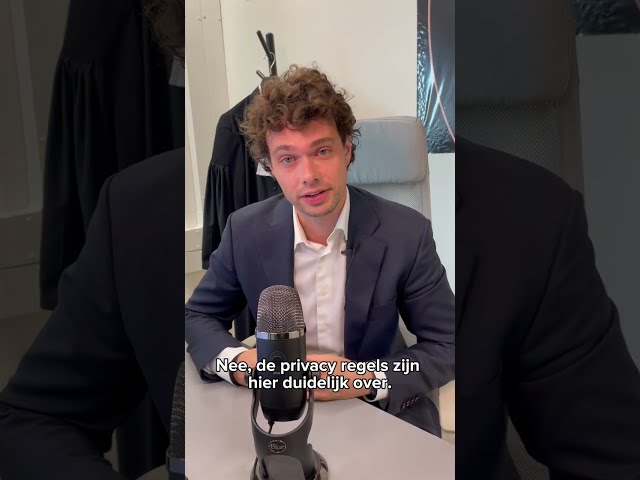
Who decides whether an employee is truly sick?
Introduction Can an employer decide for themselves whether an employee is truly sick? The answer is clear: no. Only a company physician or occupational health physician has the authority to determine whether an employee is unable to work. Yet employers still regularly make mistakes in this regard. A recent ruling by the subdistrict court in…
-

When is an employee entitled to emergency leave or caregiving leave?
Introduction Everyone finds themselves in an unexpected situation at work from time to time. A sick child, a medical appointment, or a sudden emergency at home—what are your rights as an employee in such cases? In these situations, labor law provides a solution through emergency leave or care leave. This blog explains when you’re eligible…
-
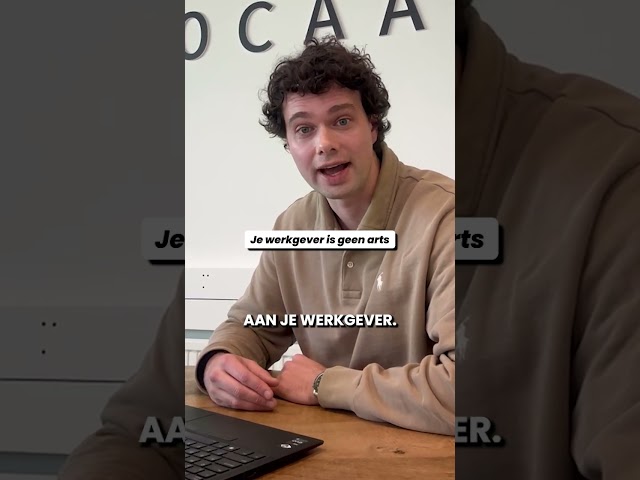
3 Limits on Employer Authority
Introduction Under labor law, employers have considerable authority. However, there are clear limits to what they may impose on employees. Not every instruction is permitted, even under the guise of “employer authority.” This blog discusses three common situations in which employers may overstep their bounds. Understanding these limits helps both employees and employers prevent conflicts.…
-
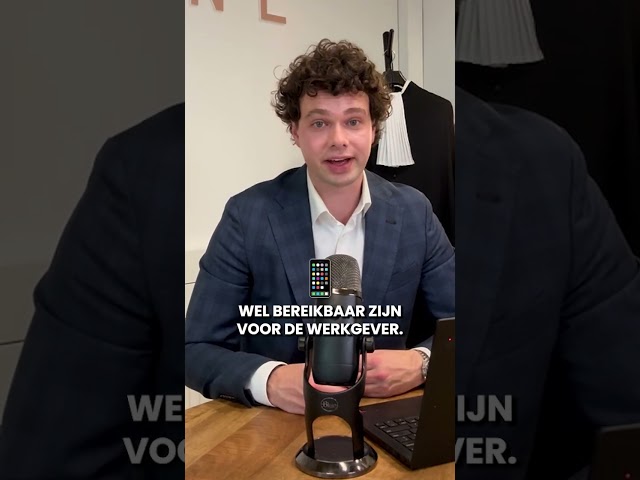
Sick on Vacation: What Are Your Rights and Responsibilities?
Introduction Vacation is meant for rest and recovery, but what if you get sick while on vacation? Many employees aren’t sure exactly what their rights and obligations are in such a situation. In this blog, we explain the rules that apply if you get sick while on vacation, how to properly report sick leave, and…
-
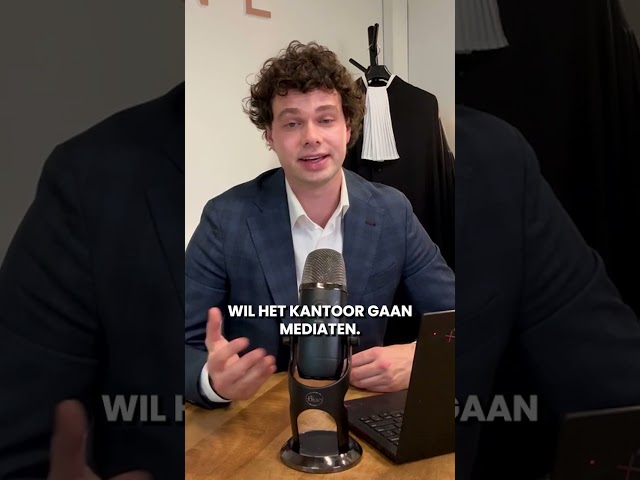
Serious misconduct costs Zuidas office €175,000
Introduction A law firm in the Zuidas was ordered to pay a substantial sum to a notary-in-training following a dispute over job performance and a strained working relationship. The court ruled that the firm had acted in a seriously culpable manner. In this blog, you can read exactly what happened and why the firm’s conduct…
-

What can you negotiate in a settlement agreement?
A settlement agreement is a termination of employment by mutual consent. Many employees believe that the terms are set in stone once the agreement is on the table and that there is no room for negotiation. In reality, a settlement agreement actually offers considerable room for negotiation. Employers often choose this route to avoid legal…
-

How many months’ salary will I receive under a settlement agreement?
Are you being laid off under a settlement agreement ( VSO)? If so, you’re probably wondering: How many months’ salary will I receive? Since July 1, 2015, a statutory minimum has been in effect: the transition allowance. This has served as the baseline ever since. But in practice, there’s often room to negotiate for more.…
-

Are you allowed to view your own personnel file?
Introduction Employees have the right to access their personnel files. This right is enshrined in the GDPR. This blog explains how you can gain access, what information you are allowed to request, and what restrictions apply. Right to Access Your Personnel File Many employees wonder exactly what is included in their personnel file. Good news:…
-

Age Discrimination in Job Postings: How Common Is It?
Introduction Age discrimination in job searches is prohibited, but it remains widespread. Research by the Netherlands Institute for Human Rights and VU University Amsterdam shows how often job postings unjustifiably refer to age and why this problem persists. Age Discrimination in Job Searches Are you being rejected for a job because of your age? Age…