
Introduction
Sick leave is a difficult reality for many employers. Especially when an employee frequently calls in sick, it can put a strain on business operations. Yet the law allows for dismissal on this ground only in exceptional cases. This blog explains why the bar for dismissal due to frequent absenteeism is so high legally, what the requirements are and why this ground for dismissal rarely succeeds in practice.
Frequent absenteeism as grounds for dismissal
Since the introduction of the Work and Security Act(WWZ) in 2015, frequent absenteeism due to sickness applies as a separate ground for dismissal (the so-called "g-ground"). This means that, in theory, an employer can try to dismiss an employee for repeated absenteeism, even if there is no long-term disability.
The idea behind this ground for dismissal is that structural short-term absenteeism can seriously impede work continuity. In practice, however, judges are extremely reluctant to grant dismissal on this ground.
Strict legal conditions
The law has two cumulative requirements to allow dismissal on grounds of frequent absenteeism:
- Serious disruption of business operations
The employer must demonstrate that repeated absenteeism leads to unacceptable consequences for business operations. These include disruption of schedules, failure of services or constant substitution that is no longer workable. - No prospect of improvement
In addition, the employer must substantiate via an expert opinion from the UWV that no improvement in sick leave is to be expected within 26 weeks. This opinion is mandatory. Without this medical assessment, the dismissal request is by definition without a chance.
This double threshold makes it extremely difficult to achieve a dismissal on this ground.
Why does dismissal rarely succeed in practice?
In practice, employers rarely succeed in their attempt to fire an employee for frequent absenteeism. There are several reasons for this:
- Employers must reorganize
Employers, especially larger organizations, are expected to deal with absenteeism internally, such as with temporary workers or reallocation of duties. Courts are quick to rule that there is no serious business interest. - Strong protection during illness
Employees enjoy special legal protection during illness. Dismissal during or as a result of sickness is assessed very critically to prevent abuse of this situation. - Strict requirements for file construction
Employers who want to invoke this ground for dismissal must have a very well-documented absence file, including medical opinions, interview reports and deployment of reintegration efforts.
Exceptions are rare
Although the possibility of dismissal on this ground is provided by law, the number of successful rulings since 2015 has been very limited. Judges apply a strict interpretation of the legal criteria and generally prefer alternatives such as work adjustment or temporary replacement.
Only in very exceptional situations, for example with small employers where the workload increases extremely and there are no real replacement options, can an appeal to the g-ground succeed.
Conclusion
Frequent absenteeism is a recognized but extremely difficult ground for dismissal. Employers faced with this would do well to seek advice on both the possibilities and limitations. The bar is high and the risk of having the request rejected is considerable. A carefully constructed file and timely experts are crucial. In most cases it is more practical to look for solutions within the organization than to start legal proceedings.
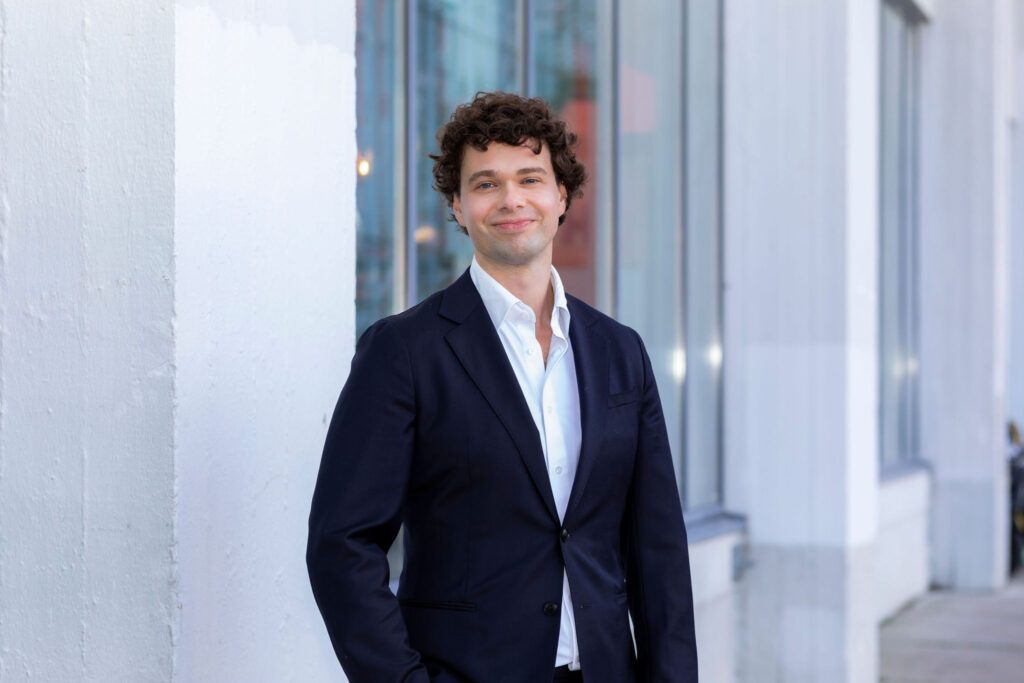
This blog was written by mr. Stijn Blom, employment lawyer at Arbeidsadvocaat.nl B.V. Stijn has extensive experience in employment law and supports entrepreneurs and employees on a daily basis with a variety of employment law issues. From dismissal cases to drafting watertight contracts and regulations - with his practical and personal approach, he helps employers and employees move forward. Want to know more? Visit Stijn's page.
Arbeidsadvocaat.nl is happy to think with you if you have questions about frequent sick leave. Please feel free to contact us .
April 2025

